What is Lotus
Most people are not familiar with foods in the lotus family which provide an array of health benefits when eaten as a food, and used in herbal medicine. Its botanical name is Nelumbo Nucifera.
The lotus blossoms, as well as its leaves, roots, stems, and seeds are delicious, and valuable medicinal foods. Many of the benefits of and uses for lotus root, lotus seeds, and lotus tea are described in this post.
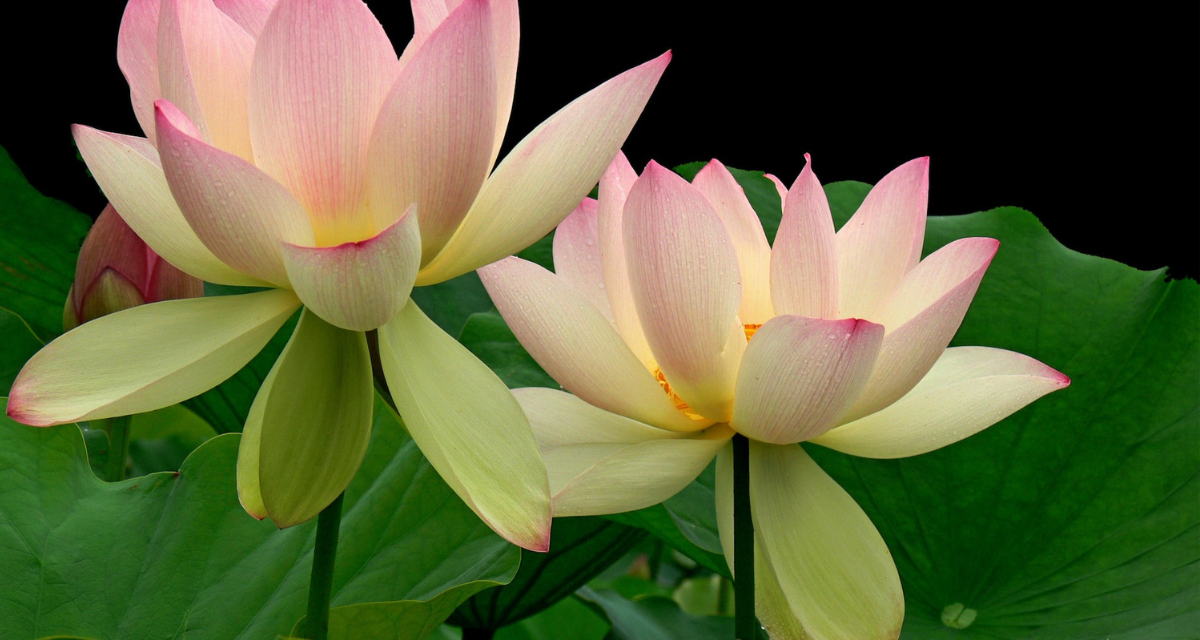
The lotus plant originated in India and was brought to China, Japan, Australia, New Guinea and parts of the Middle East. Lotus grows submerged in the mud of tropical ponds. It sends up leaves and exquisite blossoms that float on top of the water.
Symbolism of Lotus
The blossom is a Buddhist symbol of enlightenment, and generally symbolizes purity, rebirth and strength. The mud nourishing the roots represents our messy human lives. It is in the midst of our difficult human experiences that we seek to break free and bloom. While the flower rises above the mud, the roots and stem remain in the mud. Rising above the mud to bloom requires faith in oneself.

Lotus Root
Lotus root is the edible stem of the lotus plant. It is cylindrical and grows in joined segmented oblong links like a string of sausage. The segmented roots range in length from 2-3 feet with each segment ranging 4-8 inches long and 3-4 inches thick.
In some asian cultures lotus root represents prosperity and abundance and is eaten during the Chinese new year.
Benefits
The root of the lotus nourishes lungs, stops coughing, and is beneficial for lung related ailments, for boosting immunity, and helping you resist viruses. It opens the lungs and is helpful for those with asthma by helping to improve breathing, reduce swelling of mucus membranes, and softening mucus and helping to expel it which prevents respiratory infections.
It relieves bleeding problems, increases energy, neutralizes toxins, enriches the blood, nurtures the heart, and prevents excess water retention.
The anti-inflammatory effect of the enzymes in lotus root also improves digestive health and absorption of nutrients.
Lotus root is rich in dietary fiber and complex carbohydrates and is a good source of vitamin C, copper, manganese, potassium, and several B-vitamins.
Fresh lotus root is more easily found in winter and sometimes spring in the produce section of specialty stores and some health food stores. I often find it at a Japanese grocer. It is harvested in the winter when its nutrients are more concentrated in the root.
If you are unable to find fresh lotus root, you can substitute dried lotus root slices. Eden Dried Lotus Root is naturally dried without the use of chemicals or bleaching agents.
Lotus root can be sliced or chopped and cooked in stir-fries with other vegetables and eaten with brown rice. Or cook it with vegetables, beans, and spices for a hardy and tasty soup or stew. You can add some lotus root to any soup or whole grain you are cooking. It can even be pickled.
Lotus Root Tea
Lotus Root tea is an excellent medicinal beverage made from powdered, dried lotus root. It is useful for coughing and congestion, and builds overall health and specifically strengthens the heart, lungs, kidneys, and digestive system.
Lotus root tea has calming effects and will help you relax. It contains tannins and flavonoids, powerful antioxidants that help protect the heart. It is rich in protein and vitamins with a high calcium content.
The tea relieves summer heat, promotes secretion of saliva, helps digestion, and clears exterior heat. It is very effective for helping the lungs release and discharge mucus. It’s effective for most respiratory issues.
How to make Lotus Root Tea
Lotus root tea can be made using fresh lotus root. Put six slices of lotus root in a pot with 3 cups of water and a tiny pinch of unrefined sea salt. Add 2 small slices of fresh ginger. Bring to medium heat. When it starts to boil lower heat as low as possible. You do not want the water to boil. Gently simmer 20 minutes. Strain and drink the tea while it is hot. Use the cooked lotus root and ginger in a vegetable or whole grain dish. You can leave out the ginger but it does provide added benefits.
You can use dried lotus root but soak it first for 30-45 minutes and use the soaking water in the tea.
Directions using Dried Lotus Root Tea Powder
- Place 1.5-2 tsp. dried lotus root tea and a small pinch of sea salt in a cup of room temperature water in a saucepan.
- Bring to a boil, turn down heat and stir constantly to dissolve the tea, simmering 3-5 minutes.
- You can add a little fresh grated ginger or a small pinch of ginger powder.
- Drink a cup 3-4 times weekly in Fall and Winter to help strengthen lungs.
- If you have coughing and/or chest congestion, drink 2-3 cups a day.
- If lungs are dry and cough is unproductive or if there is a fever, add some honey.
- This tea is fine for children too.
- I like Eden Lotus Root Tea
Lotus Seeds 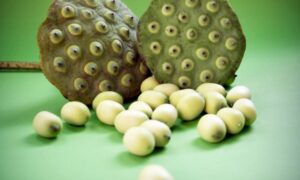
Water lily seeds are often mistakenly called lotus seeds. They are not the same thing. Seeds of the water lily are derived from the water lily plant and lotus seeds are obtained from lotus plant. Lotus seeds have been used as a vegetable, functional food, and medicine for thousands of years
Lotus seeds are used in TCM nutrition therapy, and in some Traditional Chinese medicine herbal formulas.
Symbolism
The seeds of the lotus plant symbolize spiritual growth and the ability to rise above obstacles. They remind us to maintain peace through distractions and obstacles throughout our journey. Texts on Chinese Medicine state that lotus seed nourishes and calms the spirit.
Benefits
Lotus seeds improve lung health, increase kidney energy and overall vitality. They aid digestion, nourish and support heart health, counter fatigue and insomnia, and sooth the nervous system. They have calming properties that alleviate palpitations and restlessness. They’re also used for vaginal discharge, cloudy urine, or seminal emission.
They contain flavonoids and exert anti-inflammatory, anti-cancer activity. The seeds are highly nourishing and contain trace elements of calcium, magnesium, zinc, and iron, and are 20% protein. They are rich in essential amino acids and unsaturated fatty acids.
Lotus seeds are cream colored, resemble chickpeas, and have a nutty flavor. Purchase them dried at specialty stores, asian markets, and some health food stores. Best to buy organic lotus seeds.
Cook lotus seeds with rice or other grains, soups and stews, and bean dishes. They are even used in desserts. Best to soak them for a few hours or even overnight.
To create and maintain good health during autumn and winter, use the lotus products on a regular basis. If you have allergies, asthma, COPD, or other lung and immune issues, use foods in the lotus family regularly all year round.
Learn more tips for improving your health naturally in these articles
Lungs, Immunity, Digestion and Skin
Medicinal Mushrooms for an Immune Boost
With all the uncertainty of our health care system, it’s more important than ever to be proactive and invest in your well being. It’s difficult to do it alone.This does not mean you stop seeing your physician or eliminating your medications. It means educating yourself and learning about your body and personal imbalances from a holistic perspective with a professional. If it makes sense to you, then begin to implement gradual changes. You have a lot of control over the state of your health. Small, consistent changes with guidance and support will get you there.
If you resonate with a Holistic approach, consider some professional guidance for a customized nutrition and holistic health plan for your condition and constitution. You can greatly improve every aspect of your physical, mental and emotional health with an individualized holistic approach. Schedule a Holistic Health and Nutrition session with Deborah Barr, 36-year Holistic Health and Nutrition Counselor. You’ll be on your way to better health. Sessions can be done by phone, zoom, or at Pittsburgh office. Questions? Contact me
For nearly two years I had many viral infections with many symptoms including lots of cold sores on my nose. Each time it took many weeks to recover. I also experienced repeated sinus and bronchial infections during this time period. I had no appetite or energy. Started getting hives and itchiness all over which did not let up.
You created a nutritional plan to build my immune system and get me back to good health in all ways. You also recommended a few herbal formulas.
I was taking far too many supplements and wanted to reduce them. With your help I have gotten off of most of them. The foods and herbs you recommended have been very effective. I haven’t been sick in a very long time. My immunity is strong; energy and appetite have returned; chronic constipation is gone. You identified trigger foods for the itchiness and hives and they are completely gone. I can honestly say I feel better now than I ever have in my life thanks to you.
All articles and information on this website are protected under copyright laws and are owned by Deborah Barr, Whole Health Resources. You may use this article in your print or electronic publication at no charge. I ask that you contact me letting me know in what publication you will use my article and when it will be published. You are required to use bio and copyright information at end of each article and mail a copy of the publication or link to online publication to me once published.
If you are in need of additional articles or fresh article ideas, contact me. I will be happy to discuss some relevant article topics.